Streatham removals in Streatham for homes, flats and local moves

Streatham removals in Streatham should feel organised from the first box to the final placement of furniture. We provide a practical removal service for household moves, flat moves and smaller property relocations, with the work shaped around the access, volume and timing of the move itself. That includes careful loading, transport and unloading, so your belongings are handled in a measured way rather than rushed from one stage to the next.
For many customers, the main value is having one plan for the whole move. Our house moves and related removal work can suit a full family property, a smaller home or a move between rented addresses where the rooms, contents and access points all need a sensible approach. We keep the service focused on the essentials: moving items safely, using suitable vehicle space and keeping the process straightforward for you.
When you are ready to compare options, it helps to request a quotation with a few clear details about the property and the items involved. A short summary of the move is usually enough to begin, and if you prefer to speak through the job in more detail, a plain enquiry is the right next step.
House and flat removal work
The most common removals are domestic ones, but the shape of the job can vary considerably. A terraced house may have larger furniture and more boxed items, while a flat may need planning around stairs, shared entrances or lift access. We approach the move as a sequence: what needs lifting, what can be dismantled, what needs wrapping and what should be loaded first so that delivery at the other end remains orderly.
Our house removals pages reflect the same kind of work for customers who want a clear domestic moving service rather than a generic van hire solution. Where a smaller vehicle or more compact approach is suitable, man and van style support can be useful for lighter loads, selected furniture or shorter moves. The important point is matching the vehicle and labour to the task, rather than sending more capacity than the move requires.
What the service can include
Packing support and load preparation

Some moves are ready to go with fully packed boxes, while others benefit from more preparation on the day. Where needed, our packing and unpacking services can support the practical side of the move so items are grouped sensibly and fragile belongings are handled with more care. Packing is not only about speed; it is also about making the load easier to stack, protect and locate once it reaches the new property.
Good preparation usually comes down to a few simple decisions. Breakable items need appropriate wrapping, heavier boxes should not be overloaded, and anything awkward in size should be identified early so it can be planned into the loading order. If you are collecting quotes, it is helpful to mention the number of rooms, any large furniture and whether there are access issues such as narrow halls or stairs.
For customers who want to keep the moving day calmer, it can be useful to prepare a shortlist of items that need special attention. Typical examples include mirrors, monitors, pictures, lamps, bedding, kitchenware and flat-pack furniture that may need dismantling. Careful organisation before loading can save time later and helps the team place each item where it belongs instead of treating every object as the same type of load.
Vehicle and loading options
The right removal setup depends on what you are moving and how the property is arranged. A compact load can often be handled with a smaller moving vehicle, while a fuller household move needs more space and a more structured loading plan. Our service pages for moving van and removal van options show the kind of transport that may suit different move sizes, with the emphasis on matching the vehicle to the contents rather than forcing a one-size-fits-all approach.
Loading matters just as much as transport. Heavy items should sit low and be positioned so they do not shift easily, while lighter boxes and soft furnishings can be arranged around them to create a stable load. Where appropriate, dismantled pieces, loose fittings and grouped bags are kept together so unpacking is more efficient. The aim is to make the move safer in transit and more manageable on arrival.
It is also worth thinking about how the vehicle will be accessed at both addresses. A clear loading point, nearby parking and space to carry items through the property all influence the plan. If there are obstacles, they can usually be worked around, but they should be mentioned early so the moving arrangement can be set up sensibly from the outset.
Commercial moves and office relocation

Not every move is residential. We also support commercial moves for customers who need practical help relocating business items, stock or equipment. In an office setting, the priorities often include minimising interruption, separating essential items from archive material and moving desks, chairs, filing and technology in a controlled sequence. The work can be smaller than a full office relocation or broad enough to cover a whole site move.
Our office removals and office relocation services are best thought of as coordinated moving support rather than simple transport. The service may involve planning the order of removal, protecting furniture surfaces, grouping labelled boxes and making sure key equipment is not buried under less urgent items. That practical structure is often what keeps the move workable for staff and premises managers alike.
Useful move details are usually straightforward: the collection address, the destination, the floor level, the main pieces to move and any time restrictions. If there is a loading bay, reception desk or shared access route, those points are worth mentioning too. A concise summary is enough to begin a quote, but the clearer the picture, the easier it is to shape the move correctly.
Furniture, bulky items and careful handling
Many moves involve more than boxes. Sofas, wardrobes, dining tables, beds, bookcases and other bulky furniture often need a plan for lifting, dismantling or wrapping before they go out to the vehicle. Our furniture pick-up option can be relevant where individual items need collecting rather than a full property clearance, while the wider removal service deals with furniture as part of a complete move.
Large pieces should be assessed for size, weight and awkward angles before the day arrives. This is especially important with stair turns, tight landings and narrow door frames, where an item may fit in theory but not move safely without adjustment. Protecting edges, removing loose parts and keeping fittings together all help the job progress cleanly. Handling with care matters because furniture damage is often avoidable with a little planning.
Where several heavy pieces are involved, it can be sensible to group them by room or by order of removal. That keeps the packing process more logical and helps the final set-down at the destination. For a move involving awkward or valuable pieces, make them part of the initial conversation rather than leaving them as a late surprise on the day.
About Streatham
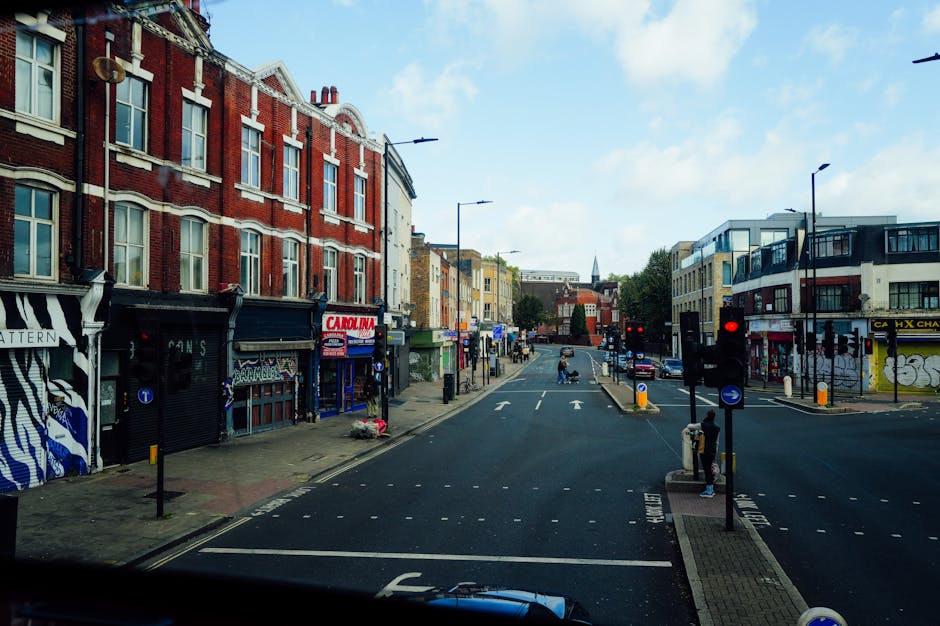
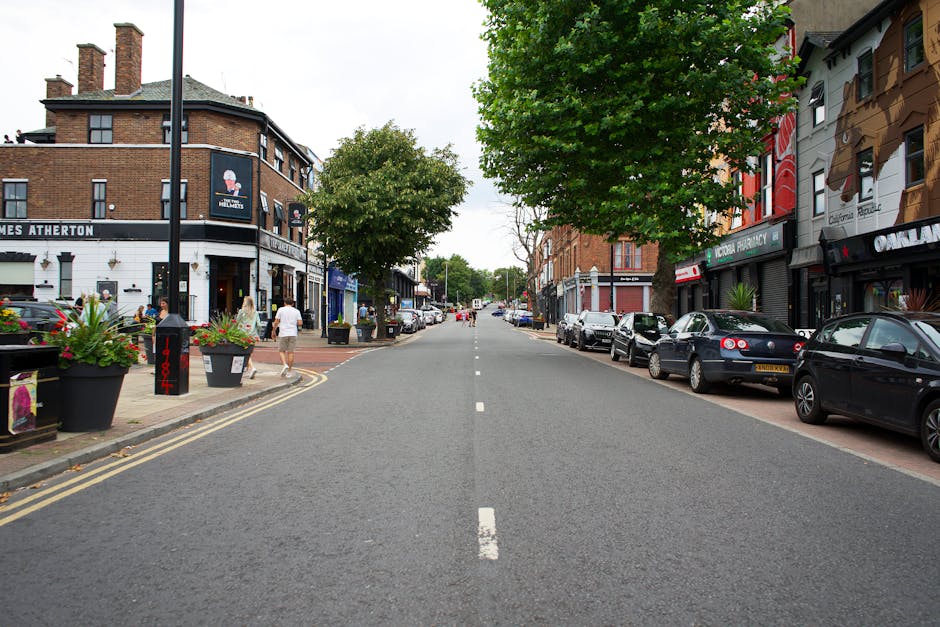
Streatham is a long-standing district in south London, best known for its linear high street, busy transport connections and varied housing. It sits in the London Borough of Lambeth and stretches along Streatham High Road, a route that has shaped local life for generations. The area includes a mix of Victorian and Edwardian terraces, post-war housing and later developments, creating a built environment that feels layered rather than uniform. Streatham Common is one of the district’s defining open spaces, offering grassland, trees and the Rookery Gardens, while Tooting Bec Common reaches close to its northern edge and broadens the green character of the area. The neighbourhood also has a notable leisure history: Streatham once became well known for its cinemas, skating and entertainment venues, and traces of that civic and commercial past still influence how the district is understood. Its railway stations and bus links make it an important south London corridor, while the mix of shops, churches, schools and everyday local services gives it a strong residential identity. The name Streatham appears in records from the medieval period, and over time the settlement grew from a rural village into a substantial urban district. That change can still be read in the street pattern, where older routes sit alongside later residential roads and the broad commercial spine of the High Road. In cultural terms, the area remains varied and active, with community spaces, parks and local businesses giving it a busy but familiar rhythm.
Planning a straightforward removal
A good removal plan keeps the day calm and avoids unnecessary backtracking. Start by deciding which items are travelling, what should be left behind and whether any furniture must be dismantled before loading. If you are moving from a flat, consider how items will reach the exit and whether parking or lift access needs to be arranged in advance. If you are moving from a house, think about the route from each room to the vehicle and whether fragile pieces need additional wrapping.
Our removals service can be used for the complete move, while removal services is a useful reference point if you are comparing the broader range of support available. When you ask for a quotation, it helps to keep the information practical rather than lengthy: property type, approximate volume, any large items and the addresses involved. That gives a clearer basis for planning without making the process complicated.
Two things usually make the biggest difference: clear access and accurate item information. If you know that there are stairs, limited parking, a long carry or a particularly heavy object, mention it early. The move can still be organised around those points, but it is better to account for them from the start than to discover them after the vehicle has arrived.
Removal choices for smaller loads
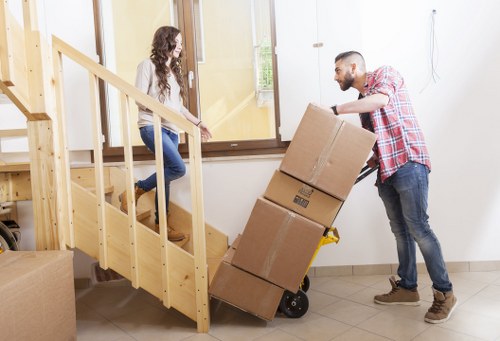
Smaller moves do not need the same approach as a full household relocation. A few boxes, a bed, selected furniture or the contents of a single room may be better suited to a lighter load and a more flexible transport arrangement. In those cases, the man with van and man and van removals pages reflect the sort of service customers often look for when they want practical help without booking a larger moving setup.
Even a small job benefits from structure. Items should still be grouped, wrapped where necessary and loaded in a way that protects what can be easily damaged. Smaller moves sometimes happen quickly, but speed should not come at the expense of order. If you are moving between rooms, between rented addresses or after a simple furniture purchase, the same care still applies to the loading and unloading stages.
If you are unsure which service description fits best, choose the one that most closely matches the scale of the job rather than the wording that sounds most familiar. A precise description makes it easier to plan and usually leads to a better matched quotation. Clarity at the start is usually more valuable than trying to describe a move in overly broad terms.
Pricing factors and quotation details
Removal costs are usually shaped by the amount of work involved, the amount of furniture or packing to handle, the distance between addresses and the access at each end. A move that includes dismantling, multiple floors or awkward parking can require more time and labour than a straightforward ground-floor job. That is why a useful quotation depends on practical facts rather than a single rough label such as “small†or “largeâ€.
Our pricing and quotes page is the natural place to begin if you want to understand how to request a figure for the job. It is still sensible to supply details in plain language: property type, whether packing is required, any unusually large furniture and the preferred moving date or window. If there are items that need special handling, mention them specifically so they are not overlooked.
Quotes should be based on the move you actually need, not on assumptions. That is why the best approach is to describe the work clearly and ask for a quotation that reflects the contents and access involved. If you are comparing options, keep the focus on service fit, not just headline wording, because the right moving setup often saves more trouble than a cheaper but poorly matched alternative.
Get in touch for a removal quotation

If you are preparing a local move in Streatham, the easiest next step is to gather the basic details and request a quotation with a short summary of the job. That might include the property type, the items to move, any packing support you want and whether there are access points that could affect loading time. A concise enquiry is usually enough to start the process.
For a more complete move, it can help to mention furniture that must be dismantled, fragile items that need extra care and anything that should be collected first or last. If you are comparing house moves, office removals or a smaller man and van arrangement, that information makes it easier to guide you towards the right option. The aim is a service that fits the move, not the other way around.
If you are ready to proceed, send through the move details and ask for a quotation today. We will take the information into account and respond with a practical next step for your removal work.