Streatham Common house removals guide SW16
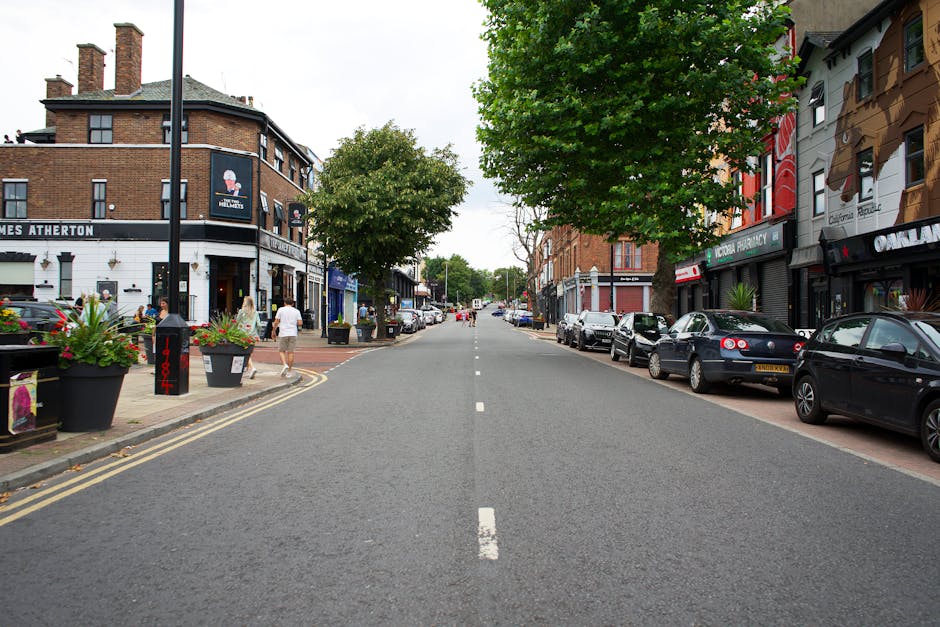
If you are planning a move around Streatham Common, the process can feel deceptively simple at first. Then the boxes pile up, parking becomes a question mark, and suddenly every small task matters. This Streatham Common house removals guide SW16 is here to make that whole job clearer, calmer, and far more manageable. Whether you are moving from a terrace near the Common, a flat off a busy road, or a family home with more furniture than you remembered owning, the same principle applies: good planning saves time, stress, and a few headaches you really do not need.
In this guide, you will find a practical, local-first breakdown of how house removals in SW16 typically work, what to prepare before moving day, where people often go wrong, and how to choose the right level of help. There is no fluff here. Just the useful stuff, explained plainly.
Why Streatham Common house removals guide SW16 Matters
Streatham Common sits in a part of South London where homes can vary a lot from street to street. One road may have wide driveways and easy loading, while another has tighter access, resident permit pressure, or awkward entry points. That mix means removals here are rarely one-size-fits-all. A sensible moving plan has to account for the building type, the amount of furniture, access to the property, and the practical realities of SW16 life.
That is why a local guide matters. A move is not only about getting belongings from A to B. It is about doing it without damaging walls, blocking traffic, leaving the sofa half-way up a staircase, or discovering too late that the van cannot park where you thought it could. To be fair, most removals problems are predictable if you know what to look for.
For anyone moving within or into Streatham Common, local knowledge helps with timing, access, and logistics. It also helps you decide whether you need a full team for a larger family house, or something lighter and more flexible such as a man and van service in Streatham. If your move is more complex, it may be worth reading about broader house removals in Streatham and the wider removal services available locally.
Expert summary: the best house moves in SW16 are rarely the fastest on the day; they are the best planned in advance. Clear access, accurate inventory, and the right removal method usually matter more than brute force or last-minute luck.
How Streatham Common house removals guide SW16 Works
House removals in Streatham Common usually follow a fairly standard pattern, but the details can shift depending on the property type and your moving date. A simple flat move with a few boxes is very different from moving a family house with fragile furniture, wardrobes, garden items, and white goods. If you know the sequence early, the whole process feels less chaotic. And yes, it really can feel chaotic if you let it.
Typical removal flow
- Initial planning - you work out what is moving, what is staying, and what needs extra care.
- Survey or quote stage - the mover assesses volume, access, and timing to give an accurate price.
- Packing and preparation - boxes are labelled, fragile items are protected, and furniture is partly dismantled where needed.
- Moving day - items are loaded, transported, and unloaded in the right order.
- Settle-in stage - furniture is placed in the correct rooms, and any storage or follow-up tasks are handled.
For many people, the biggest unknown is not the lifting. It is the access. Streatham Common homes can involve narrow hallways, shared entrances, basement storage, or road restrictions that make loading awkward. A good mover will ask about all of this up front rather than pretending it will somehow sort itself out. That is a green flag, not a minor detail.
If you are comparing service styles, you may find it useful to browse the general services overview and see whether your move sits closer to a standard household relocation, a smaller van-led job, or a specialist move that needs additional handling.
Key Benefits and Practical Advantages
A well-managed removals plan is about more than convenience. It directly affects safety, cost, and how quickly you can feel at home again after the move. The difference is obvious on the day. A smooth move tends to have clear roles, tidy packing, and fewer surprises. A messy move? Well, you end up asking where the kettle is while standing in a hallway surrounded by six identical boxes. Not ideal.
- Less stress: when the process is mapped out, there is less panic on moving day.
- Lower risk of damage: proper packing and handling reduce chips, scratches, and breakages.
- Better time control: timed loading and unloading keep the day moving in the right direction.
- More accurate budgeting: knowing your volume and access needs helps avoid last-minute add-ons.
- Safer heavy lifting: professional handling is especially helpful for awkward or heavy furniture.
- Faster settling in: the right plan puts items where they belong from the start.
There is also the emotional side. A move around Streatham Common often means change within a neighbourhood you already know and like. That can make the move feel less disruptive, but only if the logistics are handled properly. The quieter the move, the better the first evening feels.
If you are still deciding how much support you need, review pricing and quotes alongside the general removals Streatham page so you can match service level to budget without guessing.
Who This Is For and When It Makes Sense
This guide is useful for anyone moving in or around SW16, but it is especially relevant if your property has more than a handful of rooms, or if the move is time-sensitive. In Streatham Common, that often includes families upgrading to larger homes, downsizers moving to something easier to manage, and renters shifting between flats with limited lift access. Students and first-time movers may also find it helpful, although their needs are usually more compact.
It tends to make sense to use professional house removals when:
- you have bulky furniture like beds, wardrobes, tables, or sofas
- you are moving on a fixed completion date
- you need help with loading and unloading heavy items
- your current or new property has awkward access
- you want packing support, storage, or a more structured handover
For smaller, simpler moves, a van-based solution may be enough. For example, a one-bed flat with a few boxes and a couple of larger items may be better suited to man with a van removals in Streatham or a more flexible removal van option. If you are between properties, short-term storage in Streatham can also take a lot of pressure off.
Truth be told, the best choice is not the biggest service. It is the service that fits your actual move. That sounds obvious, but people ignore it all the time.
Step-by-Step Guidance
Here is the part that helps most readers: a clear sequence you can follow without overthinking everything.
1. Take stock of everything you are moving
Walk through each room and write down the main items. Include loft space, shed contents, garden furniture, and anything stored under beds or in cupboards. People often forget those hidden bits until moving day, which is when the boxes suddenly multiply.
2. Decide what can be sold, donated, recycled, or stored
Moving is the perfect time to reduce clutter. If you have items you no longer need, it is usually smarter to deal with them before the move rather than paying to transport them. If you are keen to keep the process environmentally minded, see the company's approach to recycling and sustainability.
3. Check access at both properties
Measure tight hallways, staircases, doors, and anything else that could affect bulky furniture. Check where the van can park, whether there are loading restrictions, and whether you will need permits or special timing. A five-minute check here can save a lot of grief later.
4. Book the right level of help
For larger moves, use a team that specialises in full household relocations. If you want a more complete service, look at flat removals in Streatham or the broader house removals service. If you need more help with sourcing a reliable provider, the page on removal companies in Streatham is a useful place to compare approaches.
5. Pack in a sensible order
Start with seasonal items, ornaments, books, and spare linens. Leave daily essentials until last. Label boxes by room and priority. Mark anything fragile clearly, but not in a shouty way; one clear label is enough, honestly.
6. Prepare an essentials bag
Keep a small bag or box with chargers, toiletries, medication, snacks, documents, basic tools, and a change of clothes. The first night in a new home is always better when you can find a phone charger without opening twelve boxes.
7. On moving day, keep one person in charge
One point of contact makes the day smoother. They can answer questions, direct where items should go, and decide what happens if the plan changes. That avoids the classic "I thought you had the keys" moment.
8. Check the property before the team leaves
Walk through the old property and new one. Make sure nothing is left behind, and that large items are in the right rooms. If something needs to go into temporary storage or be moved again, say so before everyone has driven away.
Expert Tips for Better Results
Most moving stress comes from avoidable details. Here are the practical tips that genuinely help, especially in a busy South London setting.
- Book early if your date is fixed. Completion dates and end-of-tenancy deadlines compress quickly, and the good slots go first.
- Measure the awkward stuff. Sofas, beds, headboards, wardrobes, and mirrors cause more issues than people expect.
- Keep key paperwork together. Removals day is not the time to hunt for lease documents or ID.
- Use matching labels. A box marked "kitchen" and "fragile" is much easier to work with than a half-faded scribble.
- Disassemble only what is needed. Do not dismantle furniture too early unless you are certain it is going and can be rebuilt easily.
- Leave a clear path in both homes. It sounds small, but open access speeds everything up.
If you are moving something especially delicate, such as a piano or upright instrument, it is best to speak to a specialist. For example, piano removals in Streatham require more than just strong arms. They need planning, care, and the right equipment. Same goes for anything unusually heavy or valuable. No shortcuts there.
One more thing. Keep tea and biscuits somewhere obvious. It will not reduce lifting strain, but it does improve morale. A little, anyway.
Common Mistakes to Avoid
The most expensive moving mistakes are usually simple ones. Not dramatic. Just annoyingly avoidable.
- Leaving packing too late: rushed packing leads to damage and confusion.
- Underestimating volume: most households own more than they think.
- Ignoring access issues: stairwells, parking, and narrow entrances matter a lot.
- Forgetting the essentials box: this leads to a frustrating first night.
- Not checking what service includes: some moves include dismantling and reassembly, others do not.
- Mixing important items into random boxes: documents, chargers, keys, and medicines should stay easy to find.
- Assuming every quote is comparable: different services may include different levels of labour, insurance, or packing support.
Another common issue is choosing the cheapest option without looking at fit. That can work for tiny moves, sure, but for a full house move it can be a false economy. You want the move done once, properly, not twice and with a dent in the wall.
If you want to understand how pricing structure may vary, have a look at the company's our prices page before making assumptions.
Tools, Resources and Recommendations
You do not need a van full of gadgets to move well. But a few simple tools and resources make the process much easier. Nothing fancy. Just sensible kit.
Useful moving tools
- strong boxes in mixed sizes
- packing tape and tape dispensers
- bubble wrap or paper for fragile items
- markers for box labels
- furniture blankets
- basic screwdrivers and Allen keys
- gloves with grip for carrying heavier items
- door stops for keeping routes open during loading
Planning resources worth checking
Before moving day, it can help to read a few related local pages to understand the area and the market better. If you are buying or selling, the step-by-step guide to Streatham real estate gives helpful context. First-time buyers may also appreciate the practical angle in the first-time homebuyers in Streatham article.
For newcomers who want to settle in smoothly, the local advice in navigating life in Streatham is worth a look. And if you are simply getting to know the wider neighbourhood, the article on Streatham's greenery and culture gives a nice sense of place. A move feels less like a disruption when you already know the rhythm of the area.
Law, Compliance, Standards, or Best Practice
House removals in the UK are not usually complicated from a legal perspective, but there are still standards and responsibilities worth keeping in mind. Good removal companies should handle goods carefully, communicate clearly about the service being provided, and be transparent about any limitations around access, liability, or timing. It is also normal for customers to check insurance cover, terms, and conditions before booking.
Best practice often includes:
- clear written quotes or confirmations
- appropriate goods-in-transit and public liability cover
- careful handling of fragile or high-value items
- accurate information about access, parking, and inventory
- safe manual handling techniques to reduce injury risk
If you are moving house while also changing utilities, managing tenancy deadlines, or dealing with completion paperwork, the safest approach is to keep everything in writing and leave a bit of time for delays. That is not pessimism. That is just good moving hygiene.
You may also want to check practical policies around insurance and safety, especially when you have valuable furniture or awkward access. For payment peace of mind, the company's payment and security information can help you understand what happens before and after booking. If you want to know more about the business itself, the about us page is a useful trust signal too.
Options, Methods, or Comparison Table
The best removals method depends on the size and complexity of your move. Here is a simple comparison to help you decide.
| Option | Best for | Pros | Watch-outs |
|---|---|---|---|
| Full house removals | Families, larger homes, complete relocations | Structured, efficient, suitable for heavy furniture | Usually needs more planning and a larger budget |
| Flat removals | Flats, apartments, smaller households | Flexible and practical, especially in busy streets | Access and stairs can still be tricky |
| Man and van | Smaller moves, partial loads, student-style jobs | Quick, cost-effective, adaptable | May not suit bulky or high-volume moves |
| Storage-led move | Gap between moving dates, downsizing, staging a property | Reduces pressure if dates do not line up | Requires extra handling and planning |
If you are weighing up the lighter end of the scale, the pages for man and van Streatham and removal van Streatham are especially useful. For larger homes, the full house removals route tends to be the safer choice.
Case Study or Real-World Example
Imagine a couple moving from a two-bedroom home near Streatham Common into a slightly larger place a few streets away. They have a dining table, two beds, a small home office, and a few awkward bits: a mirror, a bike, and a heavy chest of drawers that never seems to fit through a door easily. They also have a narrow front path and limited parking.
Instead of winging it, they do three things well. First, they sort their possessions two weeks ahead and remove a few items they no longer use. Second, they take photographs of furniture before dismantling it, which makes reassembly much less stressful later. Third, they book a service that can handle both loading and careful furniture placement, rather than trying to do the whole thing with a borrowed car and a lot of optimism.
On the day, the move still has the usual moments. Someone cannot find the keys for thirty seconds. A box marked "books" is heavier than expected. The kettle ends up in the wrong pile. But because the access was checked, the inventory was clear, and the furniture was prepared, the move finishes on time and without drama. That is the real win. Not perfection. Just a clean, workable move.
If there had been a timing gap between properties, they could have used storage solutions to avoid rushing decisions. That option often gets overlooked until the pressure is already building.
Practical Checklist
Use this simple checklist in the run-up to your move.
- confirm moving date and access details for both properties
- measure large furniture and note anything that may need dismantling
- book the appropriate removal service for your home size
- sort items into keep, donate, recycle, sell, or store
- buy boxes, tape, labels, and protective packing material
- pack room by room and label everything clearly
- set aside documents, keys, chargers, toiletries, and a change of clothes
- protect floors and corners if required at the property
- check parking and loading arrangements for moving day
- do a final walk-through before the team leaves
If you are still deciding what materials you need, the packing and boxes Streatham page is a practical next step. It can save you from buying the wrong size boxes, which happens more often than you would think.
Conclusion
A good move around Streatham Common is less about speed and more about control. When you understand the access, choose the right removal method, pack properly, and allow a bit of breathing room for the unexpected, the whole process becomes far easier to manage. That is especially true in SW16, where property layouts, parking, and timing can all vary from one address to the next.
So, if your move is coming up soon, start with the basics: make a clear inventory, check your access, decide whether you need full removals or a smaller van-led service, and give yourself enough time to prepare properly. Little things add up. And in removals, that is usually the difference between a stressful day and a smooth one.
Get a free quote today and see how much you can save.
However you move, do it with a calm head and a steady plan. The boxes will get there. The kettle will be found. And the new place will start to feel like home sooner than you think.
Frequently Asked Questions
How early should I book house removals in Streatham Common?
As early as you can, especially if your date is tied to completion, tenancy deadlines, or a weekend slot. Good movers tend to fill up quickly, and early booking gives you more flexibility if plans change.
Is a man and van enough for a move in SW16?
It can be, if you are moving a smaller load, a flat, or just a few larger items. For a full house move, especially with heavy furniture, a fuller removals service is usually safer and more efficient.
What should I pack separately for moving day?
Keep essentials with you: keys, phone chargers, medicines, toiletries, snacks, important documents, and a change of clothes. You will thank yourself later, probably around 9 p.m. when you need something and do not want to open every box.
Do I need to dismantle furniture before the movers arrive?
Not always. Some companies can help with dismantling and reassembly, but it depends on the service. If you are unsure, ask in advance and avoid taking things apart too early.
What if there is limited parking near my home?
That needs to be flagged before moving day. Parking and loading access can affect timing and vehicle choice, so it is one of the first things to mention when arranging the move.
Can I use storage if my move dates do not line up?
Yes, storage is a useful option if you have a gap between properties or need to move in stages. It can reduce pressure and keep the process much more flexible.
How do I know if I need flat removals or house removals?
If you are moving from or into an apartment with a smaller load, flat removals may be the better fit. Larger homes, full-room furniture, and more extensive inventories usually suit house removals.
Are fragile items handled differently?
They should be. Fragile items need proper wrapping, clear labelling, and careful loading. Good packing makes a huge difference here, especially for glass, mirrors, artwork, and electronics.
What should I check before accepting a removals quote?
Check what is included, whether access issues are covered, if any extra services are available, and how insurance or liability is handled. A quote is only useful if you know what it actually covers.
Can removals services help with same-day jobs?
Sometimes, yes. If your move is urgent or the timing has shifted unexpectedly, a same-day removals service may be suitable, depending on availability and the size of the job.
What is the best way to prepare for a family move?
Start earlier than you think, involve everyone in sorting items, and keep one room or box set aside for immediate essentials. Family moves are smoother when the household knows what is happening and when.
Where can I learn more about the company and its policies?
You can look at the about us page for background, and review the pages on terms and conditions, privacy policy, and insurance and safety for practical trust signals before you book.